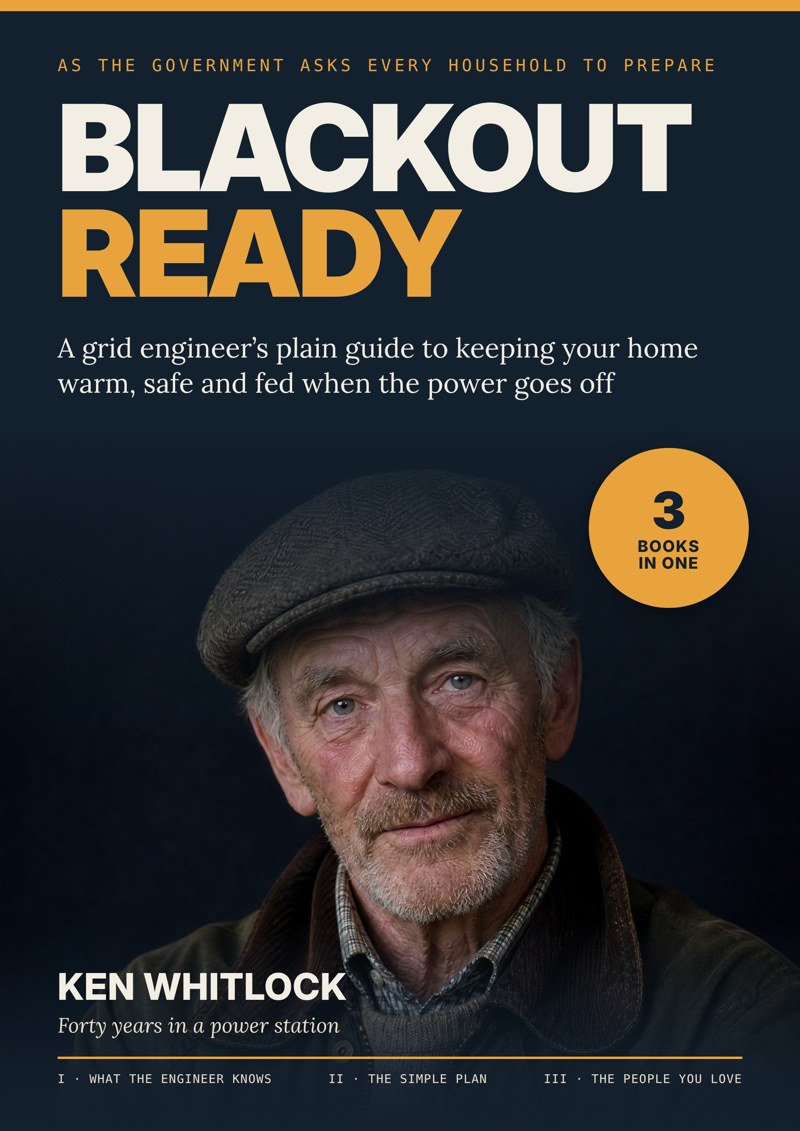
The government is asking every household in Britain to prepare for emergencies. You’re right to take it seriously, and you don’t need to be frightened. Blackout Ready explains what really happens in a power cut, and gives you a simple plan you can start this weekend for about £20.
Most of what frightens people about a blackout is not knowing what will happen. Once you know, it’s just a job to be done.
These are the questions my friends and neighbours ask me. Every one of them is answered in the book, step by step.
It will stop: almost every boiler needs electricity. Volume II shows you how to turn one room into a warm room, how to sleep warm, and which heaters are safe.
Most landlines now die in a power cut, and many pendant alarms do too. I show you what to ask your provider, and how to set up a check-in that works with no phone at all.
Oxygen, stairlifts, riser chairs, air mattresses, insulin, CPAP. Volume III gives you the questions to ask, and the plan to make, before the lights ever go.
A two-week food box built from your normal shopping, a little at a time, with food you can eat cold if you have to. No buckets, no fuss.
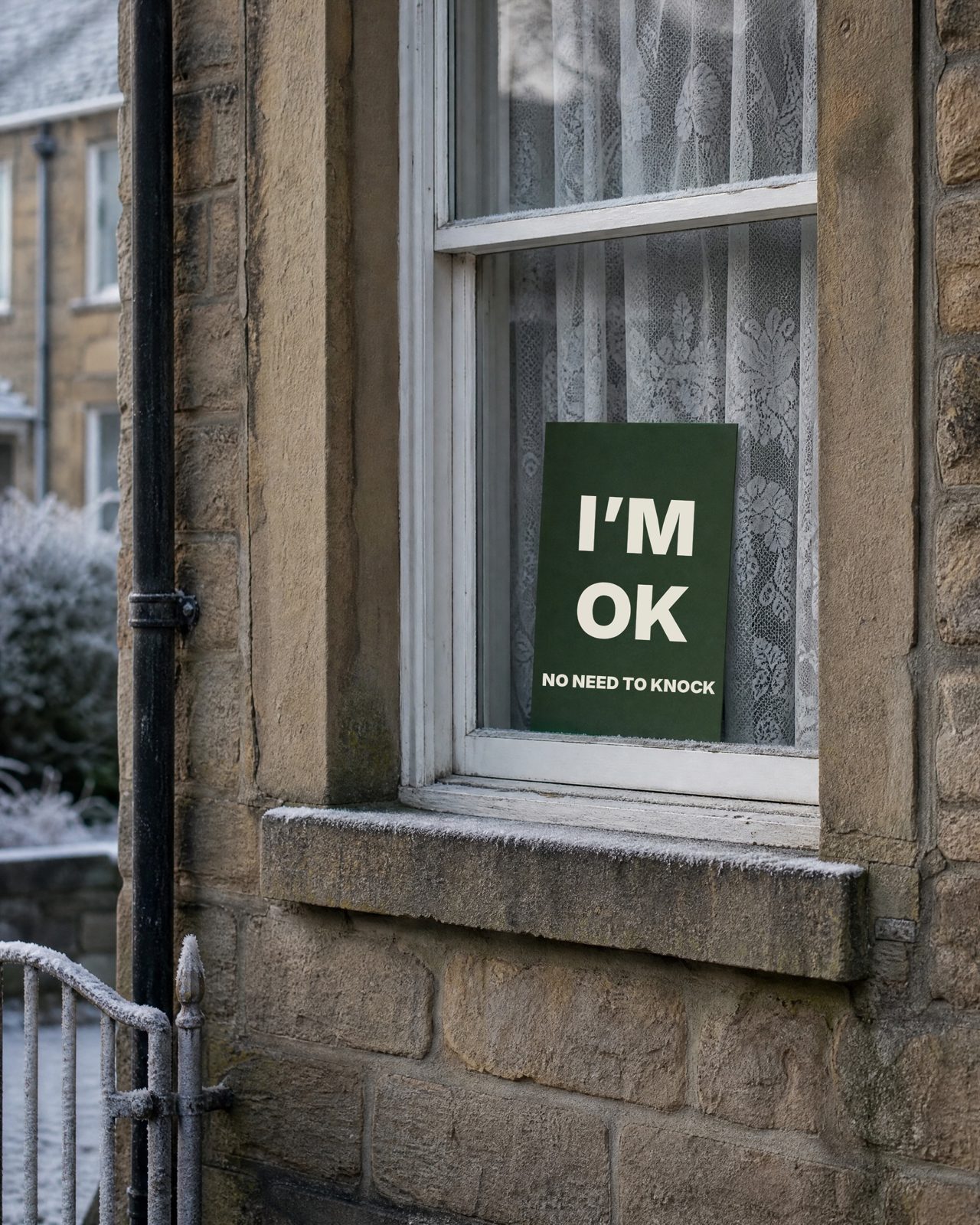
A simple plan for living alone, two cut-out window cards your neighbours will understand, and a daily check-in your family can rely on.
No. Five jobs, two hours and about £20 this weekend puts you ahead of most of the country. Everything else is a little at a time, by budget.

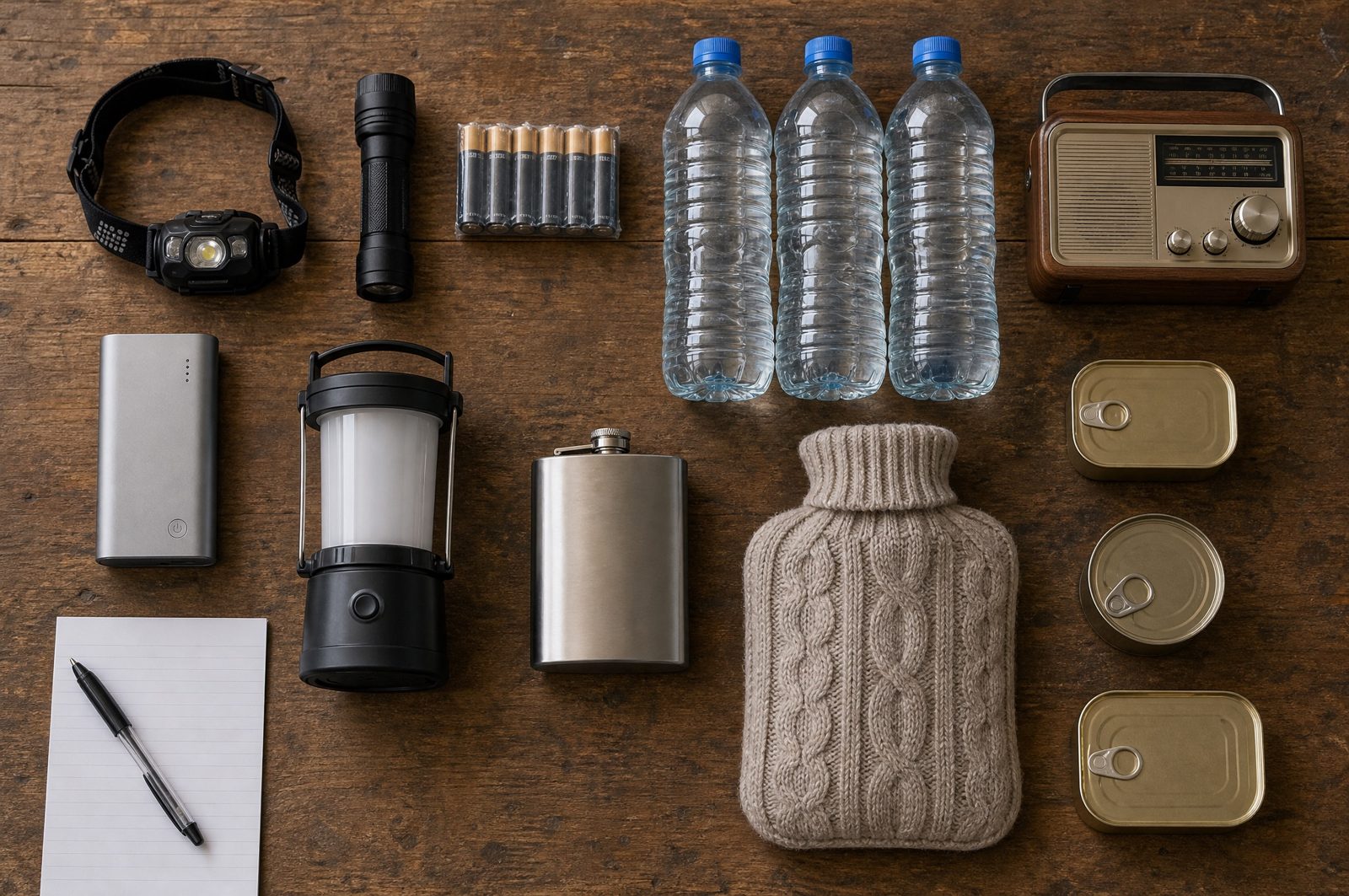
This is what ready looks like. Not a bunker. One warm room, a lantern, a radio and a flask.
When you know what fails, in what order, and how long it usually lasts, a blackout stops being a monster in the dark. This is the timetable from Volume I.
Heating, electric cooker, router and most landlines stop. So do many pendant alarms.
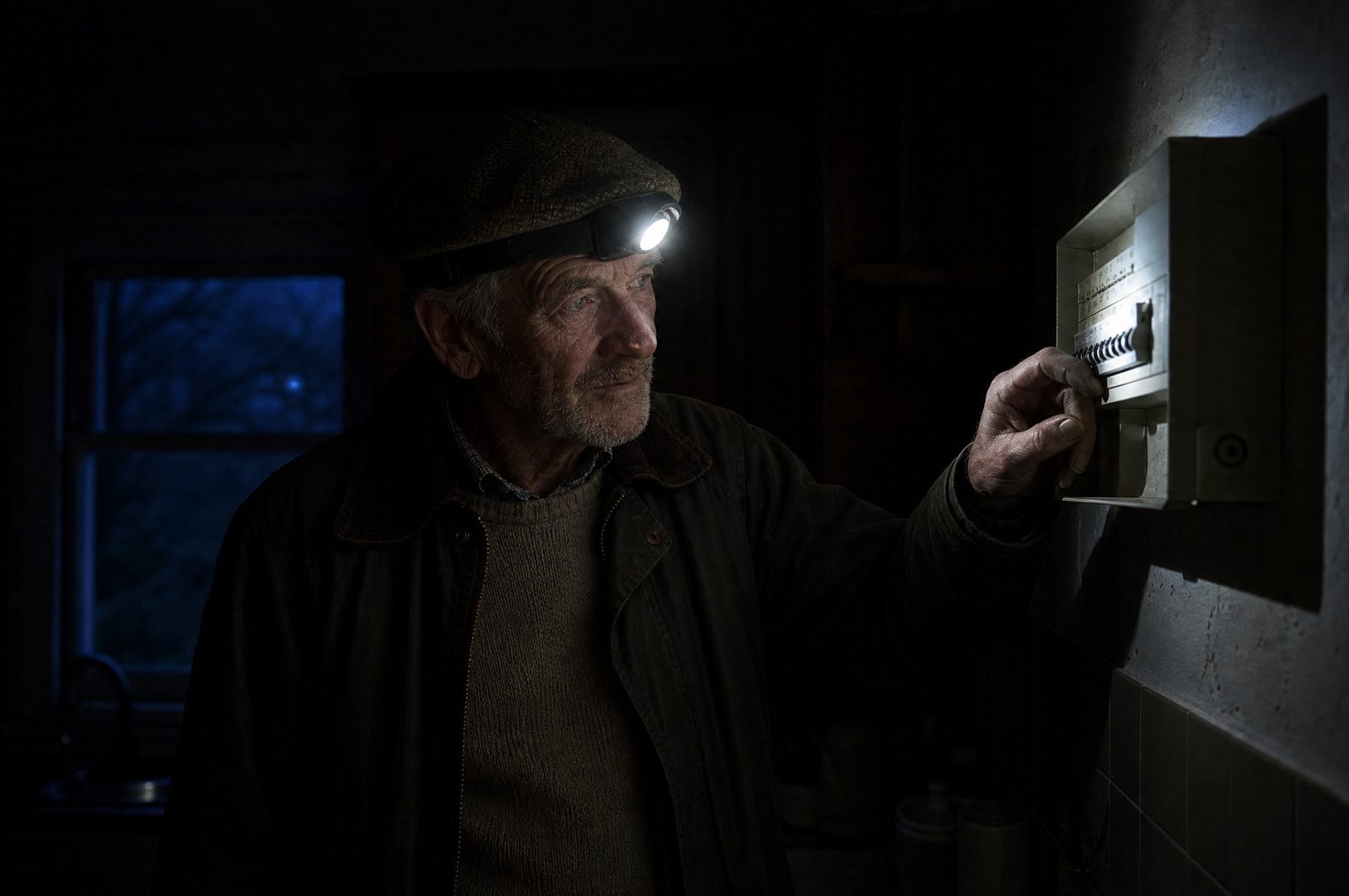
You: torch, fuse box, ring 105, radio on.
The fridge stops keeping food cold. The house cools. Mobile signal may go. Shops go cash-only.
You: warm room, fill water, save your phone.
Cold, dark and quiet. The highest risk of carbon monoxide accidents and falls.
You: everyone in one room, hats on, CO alarm checked.
The freezer starts to thaw. Water pressure can drop in some places.
You: cook what’s thawing, use stored water, check neighbours.
Shops struggle to restock. Help reaches the vulnerable. Power comes back.
You: store cupboard, slow down, switch on one thing at a time.
The length of each slot in a planned rota power cut. You’d get a timetable in advance.
Of electricity demand to be restored within 24 hours in every region, after the worst case.
To restore everyone nationally. That’s the window the book gets you ready for.
Of drinking water per person per day. Keep at least three days of it in.
Sources: the government’s Electricity Supply Emergency Code (rota cuts), the Electricity System Restoration Standard (restoration targets) and the government’s emergency preparedness checklist (water).
Every chapter ends with a short checklist, so you always know what to do next and can see how far you’ve come.
This is Chapter 1 of Volume II. Do just these, and you’re already better prepared than most of the country.
Fuse box, stopcock, gas lever, and your rota letter from your electricity bill.
A head torch each, a torch by the bed and the door, dated batteries.
3 litres per person per day, dated, somewhere cool and dark.
Small notes. Card machines and cash points stop without power.
The free Priority Services Register. Ten minutes on the phone.

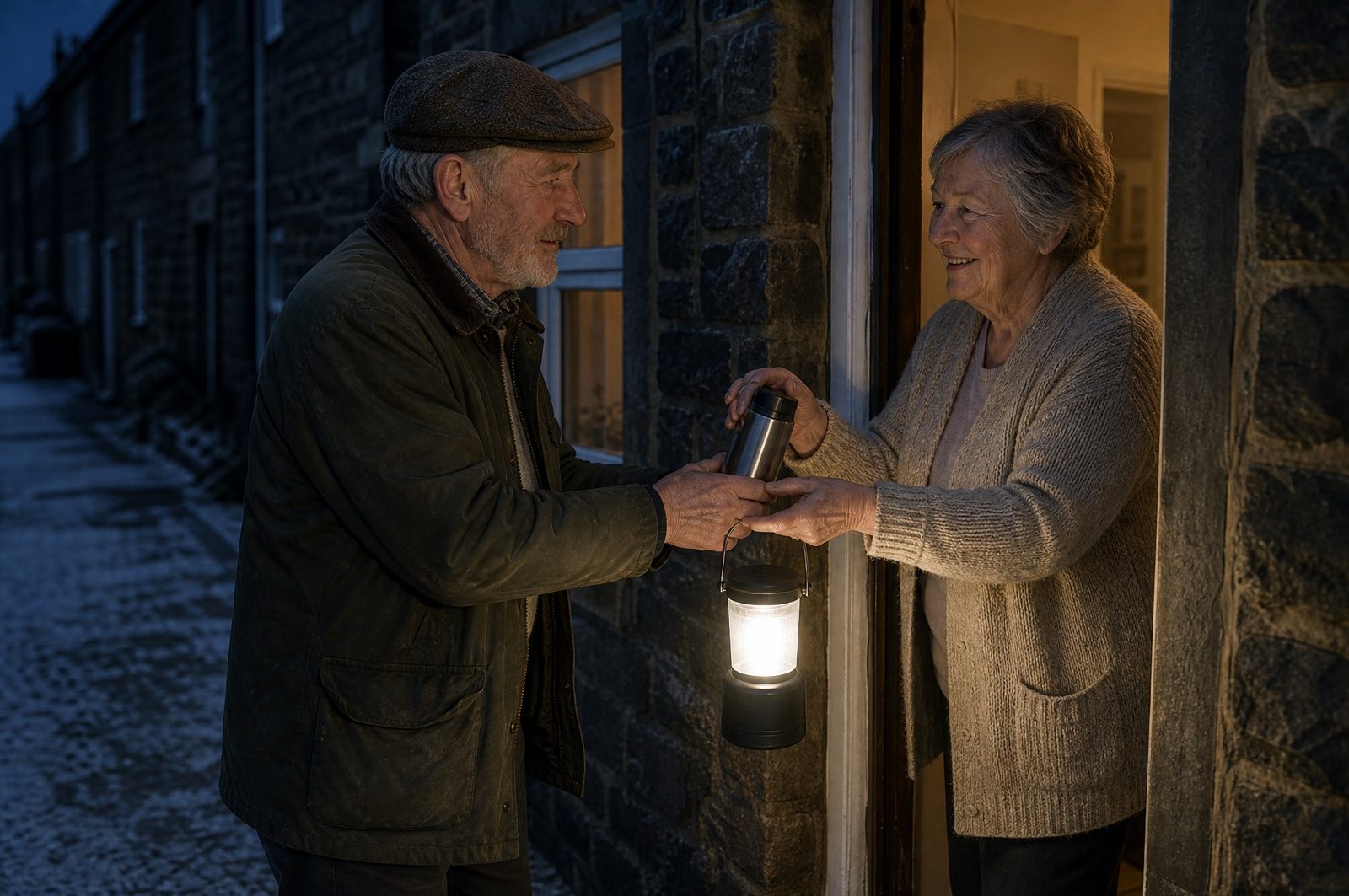
Volume III is the part nobody else writes: living alone, caring for a partner, oxygen, stairlifts and pendant alarms, and how a whole street can look after each other with no phone signal at all.


I was fifteen during the three-day week, doing my homework by candlelight. Two years later I started as an apprentice at a coal-fired power station in West Yorkshire, and I stayed for forty years: apprentice, fitter, shift engineer, and the last stretch in the control room, until the last unit was switched off.
When the government started asking every household to prepare, my phone started ringing. Friends, neighbours, people in the post office: “Ken, should we be worried?” This book is what I tell them, written down in order, for an ordinary home and an ordinary pension.
One download, the moment you pay. Read it on a tablet or computer, or print it at home: it’s set in large type on A4 paper, so it’s easy on the eyes.

Nobody honest can tell you that. A national blackout has never happened in Great Britain, and the system is built to prevent one. Long local power cuts from storms do happen, and the government is asking everyone to prepare. Being ready for five days at home covers you for all of it.
It was written for you. Everything in it can be done by one person who isn’t as nimble as they were, on an ordinary pension, at the kitchen table. Large type, short chapters, and a checklist at the end of each one.
A lot. Volume III has a whole chapter on living alone, with a daily check-in plan, two window cards for your neighbours, and how to avoid the biggest danger, which is a fall in the dark.
No. The first five jobs cost about £20. The rest is split into three kits by budget, and the food box is built a little at a time from your normal shopping. There’s a list of things not to waste your money on, too.
For most households, no, and I explain why. A generator used wrongly is genuinely dangerous. The book shows you safer, quieter options.
No. It covers what a household should keep, know and ask. For your own medicines and equipment, it tells you exactly which questions to ask your GP, pharmacist and suppliers.
It downloads the moment you pay, as one PDF with all three books and the ten cut-out cards. You can read it on a tablet or computer, or print it on an ordinary home printer.
Email within 30 days and you get every penny back. No forms, no questions.

Three books, ten cut-out cards and a plan you can start this weekend. £27 once, with a 30-day money-back guarantee.
Get Blackout Ready · £27